- The Mental Fitness Podcast
- Episode 17

Listen
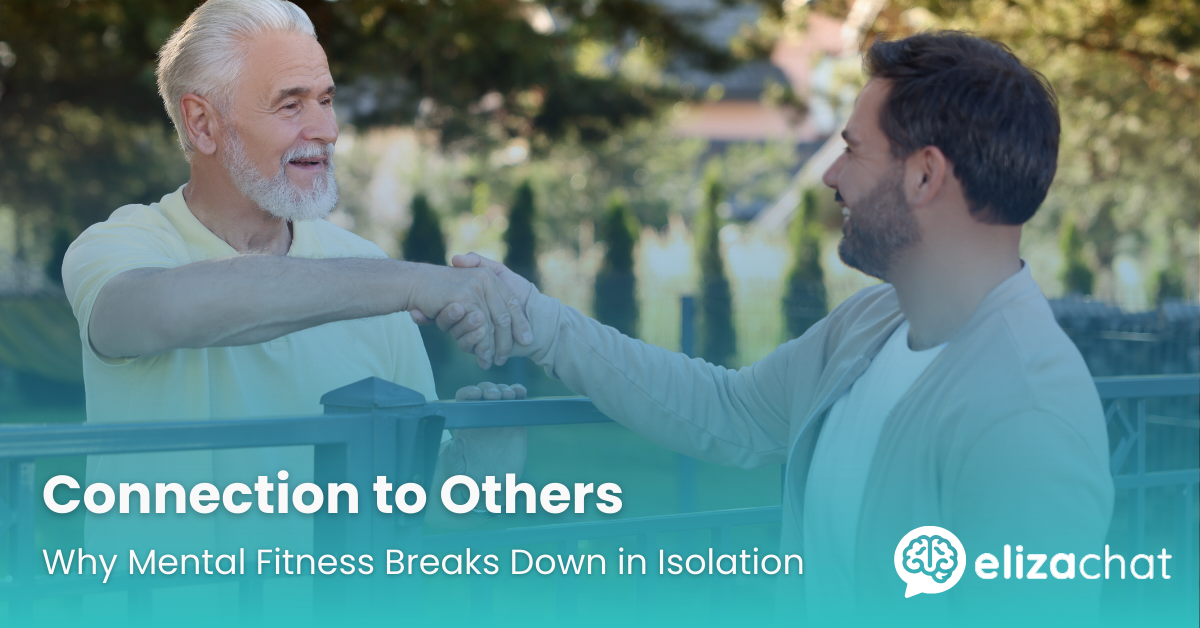
Connection to Others | The Second Pillar of Mental Fitness
December 23, 2025
In a world more digitally connected than ever, Dave and Luke explore how loneliness is quietly becoming one of the greatest threats to mental health. They unpack the second pillar of mental fitness - Connection to Others
Read the article
In a world more digitally connected than ever, Dave and Luke explore how loneliness is quietly becoming one of the greatest threats to mental health. They unpack the second pillar of mental fitness, connection to others, using neuroscience, psychology, and lived experience. Dave and Luke challenge the idea that connection is simply a personality preference and explain why human beings are biologically wired to regulate stress, emotion, and meaning through relationships.
The conversation explores how modern life and technology often create the illusion of connection while eroding genuine belonging. Dave and Luke break down the real health risks of loneliness, reframing it not as weakness, but as a physiological warning signal. From vulnerability and asking for help, to setting healthy boundaries and practicing presence, this episode offers practical, research-backed ways to build stronger relationships that support long-term resilience.
Chapters
[Start]少 [Start] Introduction & Pillar Two: Dave and Luke introduce the second pillar of mental fitness and explain why connection is essential, not optional.
03:00 Loneliness as a Health Risk: The science behind loneliness, including its links to mortality, chronic disease, and nervous system dysregulation.
07:30 Social Media vs. Real Belonging: Why online visibility and “likes” don’t equal meaningful connection, and how they impact mental health.
11:00 Vulnerability, Boundaries & Asking for Help: Reframing vulnerability as honest, appropriate disclosure and exploring how boundaries actually strengthen relationships.
23:30 Small Moments That Build Real Connection: Why consistency beats intensity, with practical habits like phone-free time, intentionally reaching out, and long hugs.
Links and Resources Sign up for early access and get 3 months free with NUE - Your Mental Fitness Platform ElizaChat - Your Personal Mental Fitness Coach
The conversation explores how modern life and technology often create the illusion of connection while eroding genuine belonging. Dave and Luke break down the real health risks of loneliness, reframing it not as weakness, but as a physiological warning signal. From vulnerability and asking for help, to setting healthy boundaries and practicing presence, this episode offers practical, research-backed ways to build stronger relationships that support long-term resilience.
Chapters
[Start]少 [Start] Introduction & Pillar Two: Dave and Luke introduce the second pillar of mental fitness and explain why connection is essential, not optional.
03:00 Loneliness as a Health Risk: The science behind loneliness, including its links to mortality, chronic disease, and nervous system dysregulation.
07:30 Social Media vs. Real Belonging: Why online visibility and “likes” don’t equal meaningful connection, and how they impact mental health.
11:00 Vulnerability, Boundaries & Asking for Help: Reframing vulnerability as honest, appropriate disclosure and exploring how boundaries actually strengthen relationships.
23:30 Small Moments That Build Real Connection: Why consistency beats intensity, with practical habits like phone-free time, intentionally reaching out, and long hugs.
Links and Resources Sign up for early access and get 3 months free with NUE - Your Mental Fitness Platform ElizaChat - Your Personal Mental Fitness Coach
More episodes

Connection to Self•54 min
Why Do I Keep Doing This? The Agency Reset for Habits You Don’t Even Enjoy Anymore

Guest Interview•50 min
Name It Before You Fix It: Why Finding the Right Word for a Feeling Changes Everything

Health & Vitality•46 min
Are You Living or Just on Autopilot? The Aliveness Audit and the Science of Vitality

Connection to Others•36 min
Stop Drinking the Poison: The Science of Forgiveness, for Others and for Yourself